The break is part of the work
Some days you keep going, and keep going, with nothing telling you to stop. Games sit inside your conversations, so taking a break is one tap away, and you take it with the people you like.
- Games in your chat
- Your rules
- Invitations and open seats
- Turn by turn
- Sharing the result
- Fair play
- Agents at the table
- Room settings
Ludotwo dice
In play · 52 min to move
Enter to send · Shift+Enter for a new line
Keep going.Keep going.Keep going.
That is how burnout starts. Nobody decides on it. You try to do too much, there is always one more thing, and nothing in your tools ever says stop. So the work gets worse while the hours get longer.

One more thing.
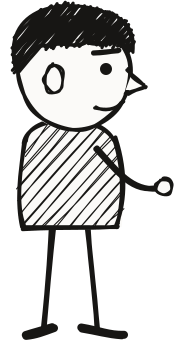
And one more after that.
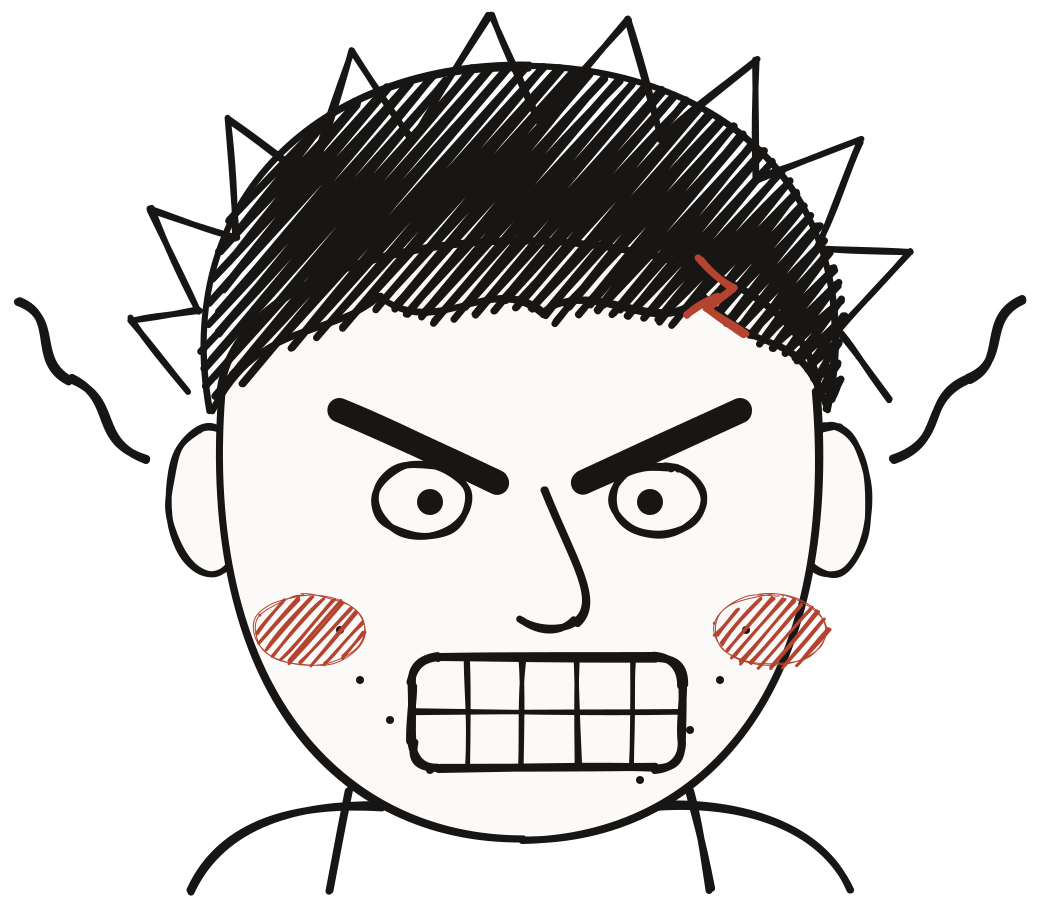
Past good, and still going.
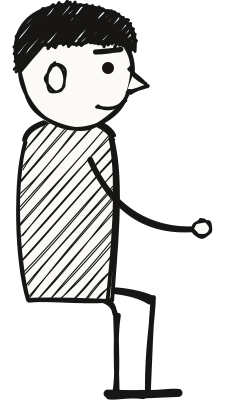
“Ludo?”

Back at it, lighter.
Let off steam
For ten minutes the only problem is whether Tunde is about to send your seed home. Your head comes off the work, and that is the point.
Stay close
A break alone is quiet. A game is time with the people you work beside, about nothing that matters, and that is how people stop being names in a thread.
Come back to it
The game sits in the same conversation as the work, so you never leave for another app, and you go back as easily as you came.
Games in your chat
Fifteen games, started from the composer, played as a card in the conversation.
Open the menu in the composer and choose Play a game, in a direct message, a room or a workspace channel. Fifteen games sit there like apps: Ludo, chess, Whot, Uno, hearts, draughts and the rest.
The game is a card in the conversation, not somewhere else you have to go. Whoever else is in the chat can see it there.
Play a game
- Ludo
- Chess
- Whot
- Uno
- Go Fish
- Hearts
- Snakes & Ladders
- Draughts
- Checkers
- Connect Four
- Reversi
- Gomoku
- Dots & Boxes
- Tic-tac-toe
- Mancala
More games are on the way.
Your rules
Who is asked, which house rules, and how long a turn may take.
In a room or a channel you invite people, leave seats open, or both. In a direct message the other person is asked. Each game has its own house rules: Nigerian or international Ludo, one die or two, how Whot picks are answered, stacking in Uno.
You also set the time for a turn: one minute for a quick game at lunch, a day for a slow one.
Ludo
Invite people
- ✓Tunde Bello
- ✓Lena Novak
- ✓ScribeAgent
Rules
InternationalNigerian
A kill sends your seed home and the one it lands on back to its house.
Time for each turn
1 min5 min1 hour1 day
Everyone answers in the chat
A lobby that fills in the chat, and starts itself.
The lobby fills in the chat. Join, say not now, or take an open seat. It begins by itself once everyone has answered.
Whot
Waiting for players
- ARAna Reyesin
- LNLena Novakin
- YYouinvited
- +Open seat — anyone here can take it
2 in · waiting on 1 · it begins by itself once everyone has answered.
JoinNot now
A game that fits around the day
Each move is a line in the chat that calls the next player by name.
Every move is a line in the conversation, written by the server, and it calls the next player by name. So a game can run through an afternoon, a move between tasks, and you always know when it is your turn.
Press a line and it takes you to the board. A busy room can switch the move lines off and keep only the card, the turn calls and the result.
Chess
In play · 21 h 40 min to move
Enter to send · Shift+Enter for a new line
Share the result
A finished game goes on a story: who won, and who played.
When a game finishes, the card says who won, and Share the result puts it on a story: who won, and who played. Stories disappear on their own, which is about as long as bragging rights should last.
Ludo
Finished
Share the result
Nothing riding on it
The server holds the rules, the dice and the shuffle, so nobody can cheat or see your hand. There are no bets, no ratings and no matching with strangers. It stays a game with people you know.
Agents can take a seat
Short of a fourth for Ludo? Invite an agent from the chat. It plays by the same rules and sees only what its seat may see. If you would rather play with people alone, invite none.
The room decides
A room or a workspace sets who may start a game, who may end one and which games it allows, so a place for serious work can stay that way.